Evaluating Gingham Seamless Repeat Patterns for Creative Projects
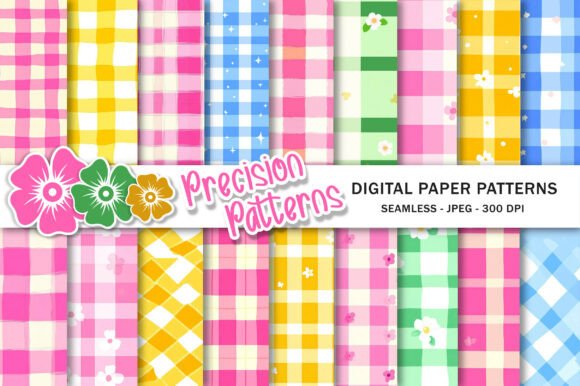
A Gingham Seamless Repeat Pattern represents a specific category of digital asset widely used in graphic design, crafting, and web development. Characterized by its distinctive checkered appearance, typically formed by intersecting vertical and horizontal bands of color, this pattern offers a blend of classic aesthetics and modern utility. For individuals researching digital resources for projects ranging from scrapbooking to commercial packaging, understanding the technical specifications and practical applications of these patterns is essential for making an informed selection.
Understanding the Technical Foundation
At its core, a seamless repeat pattern is a digital image designed to tile infinitely without visible seams or breaks when placed side-by-side. The Gingham Seamless Repeat Pattern specifically leverages the traditional gingham weave look but delivers it as a high-resolution digital file. In the context of the product set described, these assets are provided in JPEG format with a resolution of 300 DPI (dots per inch) and dimensions of 12″ x 12″.
The 300 DPI resolution is a critical factor for users evaluating print quality. This standard ensures that when the pattern is printed on physical media—such as invitation cards, planner stickers, or packaging—the image remains crisp and free of pixelation. Conversely, for digital-only applications like website backgrounds or social media banners, this high resolution allows for significant flexibility in resizing without compromising visual integrity. The ability to easily resize these files using various software programs makes them adaptable to both large-format prints and small-scale digital icons.
Practical Applications and Use Cases
The versatility of a Gingham Seamless Repeat Pattern makes it a strong fit for a diverse array of creative endeavors. When evaluating whether this asset aligns with your goals, consider the following specific applications:
- Crafting and Scrapbooking: The 12″ x 12″ size is industry-standard for digital scrapbooking papers. Users can print these directly onto cardstock or use them as background layers in digital layout software.
- Event Stationery: For weddings, birthdays, and birth announcements, gingham provides a timeless, rustic, or preppy aesthetic depending on the color palette. It serves effectively as a background for text-heavy invitations or as a decorative border element.
- Product Packaging: Small business owners often utilize these patterns for lining boxes, wrapping paper, or labeling. The seamless nature ensures consistent branding across different package sizes.
- Digital Design: Web designers and social media managers can employ these patterns to create textured backgrounds for blogs, banners, or posts, adding depth without distracting from primary content.
- Planner Stickers: The high resolution supports the creation of small, detailed elements suitable for personal planners and organizational tools.
Benefits of Digital Gingham Assets
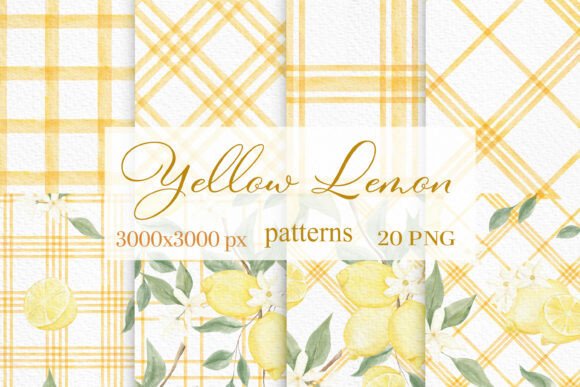
Opting for a digital collection of 20 unique digital papers offers several advantages over purchasing physical patterned paper. First, the immediate download capability eliminates shipping wait times, allowing creators to begin projects instantly. Second, the digital format provides unlimited reproducibility; once purchased, the user can print the pattern as many times as needed for personal or commercial projects, depending on the license terms.
Furthermore, the variety within a set of 20 unique designs allows for cohesive yet varied project execution. A designer can maintain a consistent gingham theme while varying colors or scale to differentiate sections of a scrapbook album or distinct products in a shop inventory. The seamless nature of the files also reduces the time spent editing; there is no need to manually clone or heal edges to make the pattern tile correctly, a process that can be tedious in image editing software.
Considerations and Tradeoffs
While the Gingham Seamless Repeat Pattern is highly versatile, it is not universally the best choice for every design scenario. Readers should weigh specific tradeoffs before committing to this style.
Visual Complexity: Gingham is inherently busy. If a project requires a clean, minimalist backdrop for complex data visualization or dense text, a high-contrast gingham pattern may reduce readability. In such cases, a solid color or a subtle texture might be a more appropriate alternative.
Format Limitations: The specified assets are in JPEG format. While universally compatible, JPEGs do not support transparency. If a user needs to overlay the gingham pattern onto a colored background without a white square bounding box, they would need to use software to remove the background or seek PNG alternatives. Additionally, JPEG is a lossy format; while 300 DPI mitigates quality loss, repeated saving and re-editing can degrade the image over time compared to vector formats or lossless TIFF/PNG files.
Style Longevity: While gingham is a classic, specific color trends can date a design. A neon green and black gingham might feel very specific to a certain era or trend, whereas navy and white or red and white tend to remain perennial. Users creating evergreen content should select colorways carefully.
Decision-Making Insights for Selection
To determine if this specific set of digital papers aligns with your needs, evaluate your project requirements against the following criteria:
- Output Medium: If your primary output is print, the 300 DPI resolution is sufficient for professional results up to the native 12″ x 12″ size. For larger prints, ensure your scaling software maintains quality. If your output is strictly digital, these files are more than adequate, though you may be working with larger file sizes than necessary for web optimization.
- Software Compatibility: Confirm that your workflow includes software capable of handling JPEGs and resizing images. Most standard photo editors and design platforms support this, but specialized vector workflows might require rasterizing or tracing the image.
- Aesthetic Goals: Assess whether the "checkered" look complements your brand or project theme. Gingham evokes feelings of nostalgia, home, and tradition. If your brand identity is ultra-modern, industrial, or futuristic, this pattern may clash with your visual language.
- Volume Needs: If you require a vast library of patterns for daily content creation, a set of 20 may serve as a strong foundation but might eventually need supplementation with other textures or styles to avoid visual repetition across your portfolio.
Conclusion
The Gingham Seamless Repeat Pattern set described offers a robust solution for creators seeking reliable, high-quality backgrounds for both physical and digital projects. Its strength lies in its high resolution, seamless tiling capability, and the timeless appeal of the gingham aesthetic. However, successful implementation depends on recognizing its limitations regarding transparency and visual density. By carefully matching the pattern's characteristics to the specific demands of your craft, design, or marketing project, you can leverage these assets to enhance visual interest and maintain professional quality. For those ready to integrate classic patterns into their workflow, this collection provides a practical and immediately accessible resource.
For further exploration of similar artistic resources and to stay updated on new design assets, following the creator's portfolio is recommended to discover more awesome artwork tailored to diverse creative needs.