Evaluating Seamless Paper Vintage Retro Floral for Professional and DIY Design Projects
In the evolving landscape of digital design resources, selecting the right texture or pattern set can define the aesthetic success of a project. Seamless Paper Vintage Retro Floral represents a specific category of digital assets that merges the tactile quality of aged paper with classic botanical illustrations. For designers, crafters, and small business owners navigating the vast marketplace of stock imagery, understanding the technical specifications and practical applications of these files is crucial before committing to a purchase or download.
This analysis explores what distinguishes this particular style of digital paper, how its technical attributes compare to standard alternatives, and where it fits best within a broader creative workflow. By examining resolution, color modes, and versatility, we can determine whether this resource aligns with your specific production needs.
Defining the Aesthetic and Technical Profile
The term Seamless Paper Vintage Retro Floral describes more than just a visual style; it indicates a functional file type designed for repetition without visible breaks. Unlike single-image illustrations that require complex editing to tile, seamless patterns are engineered so that the left edge matches the right, and the top matches the bottom. This allows designers to fill backgrounds of any dimension effortlessly.
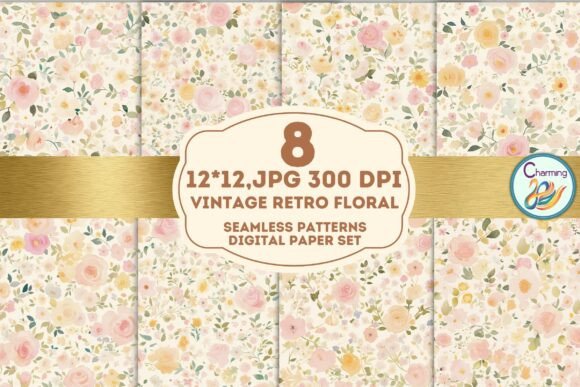
The "vintage retro" aspect typically involves muted color palettes, faded textures, and floral motifs reminiscent of mid-20th-century wallpaper or Victorian botanical prints. When combined with a "paper" texture, these digital files simulate the grain and imperfections of physical cardstock or parchment. This adds depth to flat designs, preventing them from looking overly digital or sterile.
Technically, high-quality sets in this category often provide files at 300 DPI (dots per inch) with dimensions of 3600×3600 pixels, which translates to a physical print size of 12×12 inches. This resolution is the industry standard for professional printing. Furthermore, the inclusion of CMYK color mode is a significant differentiator. Many free or low-cost digital papers are provided only in RGB (screen color), which can result in dull or shifted colors when printed physically. CMYK files ensure that the output on paper matches the designer's intent, making them superior for tangible products.
Comparative Analysis: Seamless Patterns vs. Single Images
When evaluating design resources, one must weigh the utility of seamless patterns against standalone images or vector graphics. Each format serves distinct purposes, and the choice depends largely on the end product.
- Seamless Patterns: Ideal for backgrounds, wrapping paper, fabric printing, and large surface areas. The primary advantage is scalability; a 12×12 inch tile can be repeated infinitely to cover a billboard or a roll of wallpaper without losing quality or creating obvious seams.
- Single Image Illustrations: Better suited for focal points, such as a central motif on a greeting card or a specific icon for a logo. While versatile, they require manual duplication and alignment to create a background, which can be time-consuming and prone to errors.
- Vector Graphics: Vectors offer infinite scalability without pixelation. However, they often lack the organic, gritty texture of raster-based vintage paper scans. Achieving a true "aged paper" look in vectors often requires complex blending modes and overlays, whereas a high-resolution JPG pattern provides this texture out of the box.
The Seamless Paper Vintage Retro Floral set occupies a middle ground that favors texture and ease of use over infinite mathematical scalability. For projects where the "feel" of the material is as important as the image itself—such as wedding invitations or scrapbooking—raster-based seamless patterns often yield a more authentic result than clean vector lines.
Application Scenarios and Practical Use Cases
The versatility of a 300 DPI, CMYK-enabled pattern set extends across various industries and hobbyist pursuits. Understanding where these files excel helps in allocating budget and time effectively.
Print-on-Demand and Merchandise
For entrepreneurs utilizing print-on-demand services, these patterns are highly effective for products like mugs, phone cases, tote bags, and t-shirts. The 3600×3600 pixel resolution ensures that even when wrapped around a cylindrical object like a tumbler or pen, the image remains crisp. The vintage floral aesthetic is particularly popular in the "cottagecore" and bohemian market segments, making these files a strategic choice for seasonal collections.
Paper Goods and Event Stationery
In the realm of event planning, these digital papers are indispensable for wedding invitations, restaurant menus, and thanksgiving decorations. The CMYK color profile is critical here; it ensures that the soft pastels or deep retro tones print accurately on heavy cardstock. Designers can use these patterns as full backgrounds or clip them into shapes to frame text, adding a layer of sophistication to formal correspondence.
Digital and Hybrid Scrapbooking
Digital scrapbookers benefit from the seamless nature of these files when creating page layouts. Because the patterns tile perfectly, users can create custom backgrounds that fit any page size without worrying about awkward cuts. Additionally, the high resolution allows elements to be cropped and used as individual embellishments, offering double the value from a single asset.
Web and Social Media Graphics
While primarily designed for print, these high-resolution files translate well to digital media. When scaled down for website backgrounds, social media posts, or digital advertisements, the 300 DPI source file ensures maximum sharpness on high-definition screens. The texture adds visual interest to flat web designs, though care must be taken to optimize file size for web loading speeds.
Decision Factors: When to Choose This Style
Selecting Seamless Paper Vintage Retro Floral is not always the automatic best choice. Several factors should influence the decision-making process:
- Project Medium: If the final output is strictly digital and requires animation, a static JPG pattern may be limiting compared to layered PSD files or vector formats. However, for static web headers or email newsletters, it is ideal.
- Color Accuracy Requirements: If the project involves brand-specific colors that must match exactly, verify that the CMYK values in the pattern align with your brand guidelines. Vintage styles often utilize desaturated tones which may need adjustment for corporate branding.
- Scale of Production: For mass-produced fabric or large-format wallpaper, ensure the repeat unit (12×12 inches) does not create a noticeable grid pattern when tiled over massive areas. Sometimes, a larger repeat unit is necessary for very large scales.
- Licensing and Usage Rights: Always review the license agreement. While many sets allow for commercial use on physical goods like mugs and shirts, some may restrict the number of sales or prohibit reselling the digital file itself.
Limitations and Considerations
Despite their utility, there are tradeoffs to consider. The fixed resolution of 3600×3600 pixels means that if you attempt to print a single tile larger than 12×12 inches without tiling, the image will pixelate. Users needing massive single-image prints must rely on the seamless tiling capability rather than stretching the image.
Additionally, the "vintage" style is trend-dependent. While currently popular, highly specific retro aesthetics may date a design faster than a minimalist or abstract approach. Designers aiming for longevity might consider using these patterns as accent elements rather than the dominant visual theme.
Final Verdict on Utility
The Seamless Paper Vintage Retro Floral collection serves as a robust tool for creators who prioritize texture and print readiness. Its distinction lies in the combination of high-resolution raster data, CMYK color fidelity, and the functional convenience of seamless tiling. For projects ranging from book covers and packaging to home decor and seasonal greetings, this resource eliminates the need for complex texturing workflows.
However, for users requiring editable vector paths or animated elements, alternative formats may be more appropriate. By assessing the specific demands of the project—whether it be the need for physical print accuracy or the flexibility of digital manipulation—creators can determine if this vintage floral aesthetic is the right foundation for their next design endeavor.