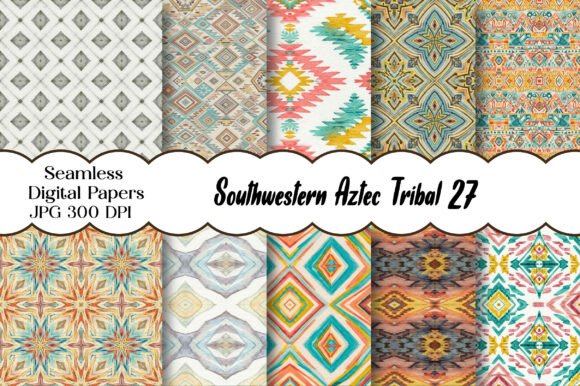
Unlocking Creative Potential with Southwestern Aztec Tribal Pattern Designs
The visual language of the American Southwest is one of the most recognizable and enduring aesthetic traditions in design history. Characterized by bold geometric forms, earthy color palettes, and a deep connection to the natural landscape, this style transcends fleeting trends to offer a timeless appeal for creators across various industries. At the heart of this artistic movement lies the Southwestern Aztec Tribal Pattern, a motif that bridges ancient indigenous heritage with modern digital utility. For professionals, hobbyists, and business owners alike, understanding how to effectively utilize these patterns can transform ordinary projects into captivating visual experiences that resonate with audiences on a primal, emotional level.
When we speak of the Southwestern Aztec Tribal Pattern, we are referring to a specific synthesis of design elements. It draws heavily from Navajo textile traditions, incorporating stepped diamonds, zig-zags, arrows, and intricate linear sequences. However, it is not merely a replication of historical artifacts; it is an evolution. Modern interpretations, such as those found in high-quality digital paper bundles, refine these motifs for contemporary application while maintaining their rustic soul. The result is a collection of seamless repeating patterns that encapsulate the rugged splendor of the desert, offering a versatile toolkit for anyone looking to infuse their work with warmth, history, and geometric precision.
The Chromatic Soul of the Desert
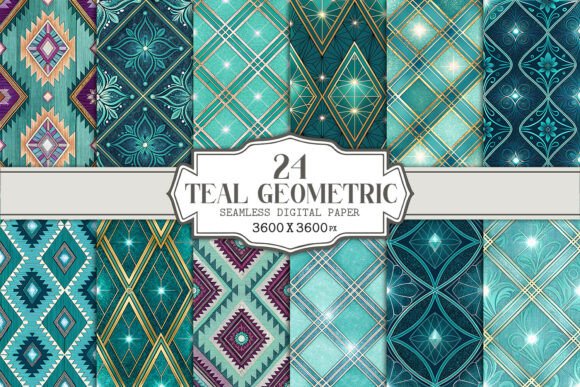
One cannot discuss the efficacy of Southwestern designs without addressing the critical role of color. The palette associated with the Southwestern Aztec Tribal Pattern is distinctively derived from the environment itself. Unlike the neon brights of pop art or the pastels of minimalism, this style relies on a grounded, organic spectrum. Deep terracotta mimics the clay soils of Arizona and New Mexico, while tranquil turquoise reflects the rare and precious stones revered by Native American cultures. Rich rust tones evoke the iron-heavy rocks of the canyon lands, and serene sandstone provides a neutral, calming base.
In practical application, these colors do more than just decorate; they set a mood. A background featuring cool cream and hearty earth tones creates a sense of stability and warmth, making it ideal for branding materials that wish to convey reliability and authenticity. Conversely, the injection of vivid turquoise against a dark rust background creates a dynamic contrast that grabs attention, perfect for social media graphics or limited-edition packaging. When selecting digital papers or creating custom designs, the harmony between these hues is paramount. The best collections ensure that the saturation levels are balanced, allowing the geometric motifs to stand out without overwhelming the viewer's eye.
Applications in Stationery and Personal Organization
For the stationery enthusiast and the professional organizer, the utility of these patterns is unmatched. The trend of bullet journaling and personalized planning has surged in recent years, driven by a desire for tactile, visually pleasing organization. A Southwestern Aztec Tribal Pattern serves as an excellent foundation for planner pages, notebook covers, and divider sheets. The geometric nature of the designs lends itself well to structure, subtly reinforcing the organizational purpose of the tool while adding an element of artistic flair.
- Journaling: Use seamless patterns as background layers for daily logs, allowing handwritten text to pop against the textured look of digital paper.
- Greeting Cards: The cultural richness of the motifs makes them suitable for a wide range of occasions, from birthdays to thank-you notes, adding a touch of handmade elegance.
- Stickers and Labels: High-resolution prints allow for the creation of custom stickers that can be used to categorize files, decorate laptops, or seal envelopes with a unique flourish.
The key to success in these applications is resolution. Professional-grade digital bundles typically offer files at 300 DPI (dots per inch). This ensures that when printed on cardstock or specialty paper, the fine lines of the tribal motifs remain crisp and free of pixelation. Whether you are a teacher creating classroom rewards or a small business owner packaging handmade soaps, the quality of the print directly impacts the perceived value of the final product.
Branding and Commercial Utility
Beyond personal projects, the Southwestern Aztec Tribal Pattern holds significant weight in the commercial sector. Brands that align themselves with values of authenticity, craftsmanship, and natural living often find this aesthetic to be a perfect match. Consider a coffee roaster sourcing beans from high-altitude regions or a boutique hotel located in a desert landscape. Integrating these tribal motifs into their packaging, menu designs, or website backgrounds can create a cohesive brand narrative that speaks directly to their target demographic.
In the realm of textile and garment printing, these patterns are particularly potent. The fashion industry has long embraced bohemian and rustic aesthetics, and the geometric precision of Aztec-style designs translates beautifully onto fabric. From scarves and bandanas to full-scale upholstery for interior design, the seamless nature of these digital papers allows for continuous printing without visible breaks or awkward seams. This capability is essential for manufacturers who need to maintain pattern integrity across large surface areas.
Furthermore, the versatility of the format—typically provided as high-resolution JPGs—means that these assets can be easily integrated into various software ecosystems. Graphic designers using Adobe Photoshop, Illustrator, or even free alternatives like Canva can import these textures to create complex composites. They can be used as masks, overlay layers, or primary background elements, providing a robust foundation for broader creative endeavors.
Navigating Cultural Appreciation vs. Appropriation
As with any design element rooted in specific cultural histories, it is vital for creators to approach the use of Southwestern Aztec Tribal Pattern with respect and awareness. The motifs found in these designs are not random; they often carry symbolic meaning within Native American communities, representing elements of nature, spiritual beliefs, or tribal identity. While modern digital bundles often stylize these elements for general decorative use, the responsible creator acknowledges the source of inspiration.
Using these patterns to celebrate the beauty of the Southwest and to honor the artistic legacy of indigenous peoples is a form of appreciation. However, it becomes problematic if the designs are used to mock, trivialize, or misrepresent the cultures they originate from. Educators and researchers, in particular, should take care to provide context when utilizing these images in instructional materials. By framing the usage within a narrative of admiration for the artistry and the landscape, creators can ensure their work remains ethical and respectful. The goal is to let the alluring beauty of the Southwest illuminate your creative path without erasing the history that made it possible.
Technical Considerations for Digital Implementation
To truly maximize the potential of a digital paper bundle, one must understand the technical specifications that define quality. Not all digital downloads are created equal. A superior collection will provide files that are not only high in resolution but also optimized for color accuracy. The "rust" in one file should match the "rust" in another, ensuring consistency across a multi-page document or a series of marketing materials.
When working with these files, consider the medium of output. For screen-based media, such as social media graphics or website headers, the vibrant contrast of turquoise against terracotta can be striking. However, for print media, color management becomes crucial. The rich, dark tones of a Southwestern palette can sometimes absorb too much ink if not calibrated correctly, leading to muddy results. Professionals often recommend testing a small batch of prints before committing to a large run. Additionally, the aspect ratio of the seamless patterns should be considered; while they repeat infinitely, the orientation of the geometric diamonds or steps might influence the layout of a specific project, such as a vertical bookmark versus a horizontal banner.
Expanding the Creative Horizon
The applications for the Southwestern Aztec Tribal Pattern extend far beyond the obvious. In the educational sector, these patterns can be used to create engaging history lessons about the American Southwest, helping students visualize the art and culture of the region. For researchers compiling reports on indigenous art or architectural history, these digital assets can serve as illustrative companions to textual data, breaking up dense information with visually relevant imagery.
Hobbyists involved in scrapbooking will find that these papers add a layer of depth to memory keeping. A vacation album documenting a trip to the Grand Canyon or Santa Fe is instantly elevated by backgrounds that mirror the scenery encountered during the journey. The interplay of sandstone creams and deep earth tones provides a neutral yet textured canvas that allows photographs to remain the focal point while still contributing to the overall theme.
Ultimately, the power of this design style lies in its ability to evoke a sense of place and time. It brings the outdoors in, merging the ruggedness of the desert with the comfort of home. Whether you are designing a wedding invitation suite with a rustic bohemian theme, creating a line of eco-friendly packaging, or simply organizing your daily thoughts in a beautiful planner, the Southwestern Aztec Tribal Pattern offers a rich vocabulary of form and color. By immersing yourself in this aesthetic, you gain access to a treasure trove of creative possibilities, allowing you to produce work that is not only visually stunning but also deeply connected to the enduring allure of Southwestern artistry.
As you move forward with your projects, remember that the best designs are those that tell a story. Let the geometric diamonds represent stability, the zig-zags signify energy, and the earth tones ground your audience in reality. With the right tools and a respectful approach, the Southwestern Aztec Tribal Pattern can be the catalyst that transforms your creative vision into a tangible, breathtaking reality.